Engineered Infection Prevention with Franke
Chapter 1: The Crisis of Hospital-Acquired Infections (HAIs)
This section defines the scope and severity of HAIs in North American healthcare, highlighting the physical and financial toll on the system.
-
Defining HAIs: An infection is classified as an HAI if it occurs 48 hours after admission, 3 days after discharge, or 30 days after an operation.
-
The “Third Leading Cause of Death”: In North America, HAIs are estimated to be the third leading cause of death, with one in 31 patients having at least one infection on any given day.
-
Economic & Operational Burden: The direct cost of HAIs is approximately $45 billion annually. Beyond money, these infections occupy 10% of acute care beds, causing hospital overcrowding.
Chapter 2: Traditional vs. Emerging Disinfection Technologies
The presentation compares standard manual cleaning with advanced technologies like UVC light and antimicrobial copper.
-
The Limitation of Manual Cleaning: Manual cleaning often misses over 50% of surfaces. Even a “terminal clean” (performed after a patient leaves) only lasts about 30–45 minutes and is prone to human error.
-
UVC Light Effectiveness: While not new, UVC light is being used more frequently to supplement manual cleaning. It can reduce HAI rates by over 50% and is particularly effective at neutralizing C. diff spores.
-
The Power of Copper: Copper is EPA-registered as a pesticide. Replacing high-touch surfaces (bed rails, IV stands, etc.) with copper can reduce surface pathogens by 97% because it kills bacteria passively within two hours.
Chapter 3: Ozone and Electrochemical Water Treatment
This chapter deep-dives into the science of ozonated water and its role in neutralizing waterborne pathogens at the point of use.
-
Oxidation Strategy: Ozone ($O_3$) works by rupturing the cell walls of microorganisms, preventing them from reproducing. It works significantly faster than chlorine and reverts back to oxygen and water within 20 minutes.
-
Hand Hygiene Superiority: Studies show that washing hands with ozonated water removes over 80% of bacteria, compared to only 61% with standard soap and water.
-
Safe and Sustainable: Ozone is created electrochemically on-site, meaning no chemicals are added to the water. It is safe to drink at the levels used for handwashing and does not corrode pipes.
Chapter 4: Engineering the “Safe Sink”
The final technical section addresses how sink geometry and drainage systems often inadvertently spread disease and how to fix it.
-
The “Climbing” Bacteria: Research shows bacteria in P-traps can climb up the pipe at a rate of 1 inch per day, reaching the drain in just one week.
-
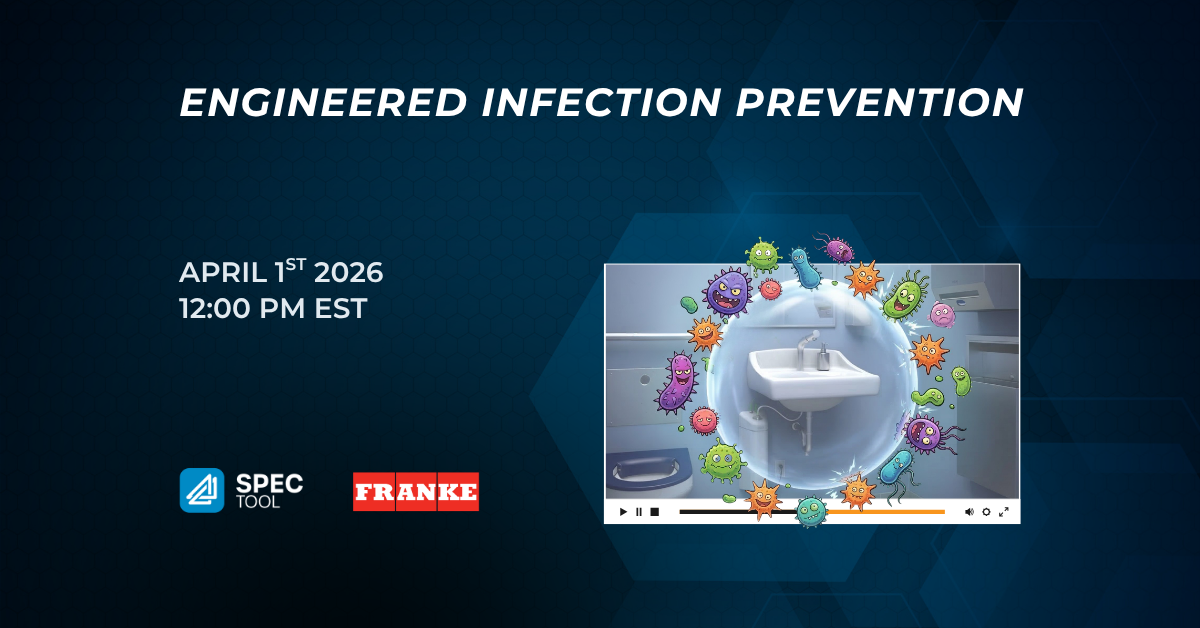
The Splashing Hazard: Standard sinks often allow water to hit the drain directly, splashing microscopic “biofilm” up to 3 feet away onto the user’s hands, clothing, and the surrounding room.
-
Design Solutions: Effective infection control sinks utilize “offset drains” (so the water doesn’t hit the drain directly) and “splash break” geometry (similar to a ski jump) to distribute water velocity and contain droplets.