
Sustainability is no longer a future goal in construction; it’s a present requirement.
Across North America, architects, engineers, and project owners are being asked to demonstrate how their material selections impact the environment. From green building certifications to emerging carbon regulations, the pressure on the Architect, Engineer & Construction (AEC) industry to make better decisions about building materials continues to grow.
One tool that is rapidly becoming central to this shift is the Environmental Product Declaration (EPD).
For many engineers and specifiers, EPDs are quickly becoming a new layer of data that must be considered during the specification process.
What Is an Environmental Product Declaration?
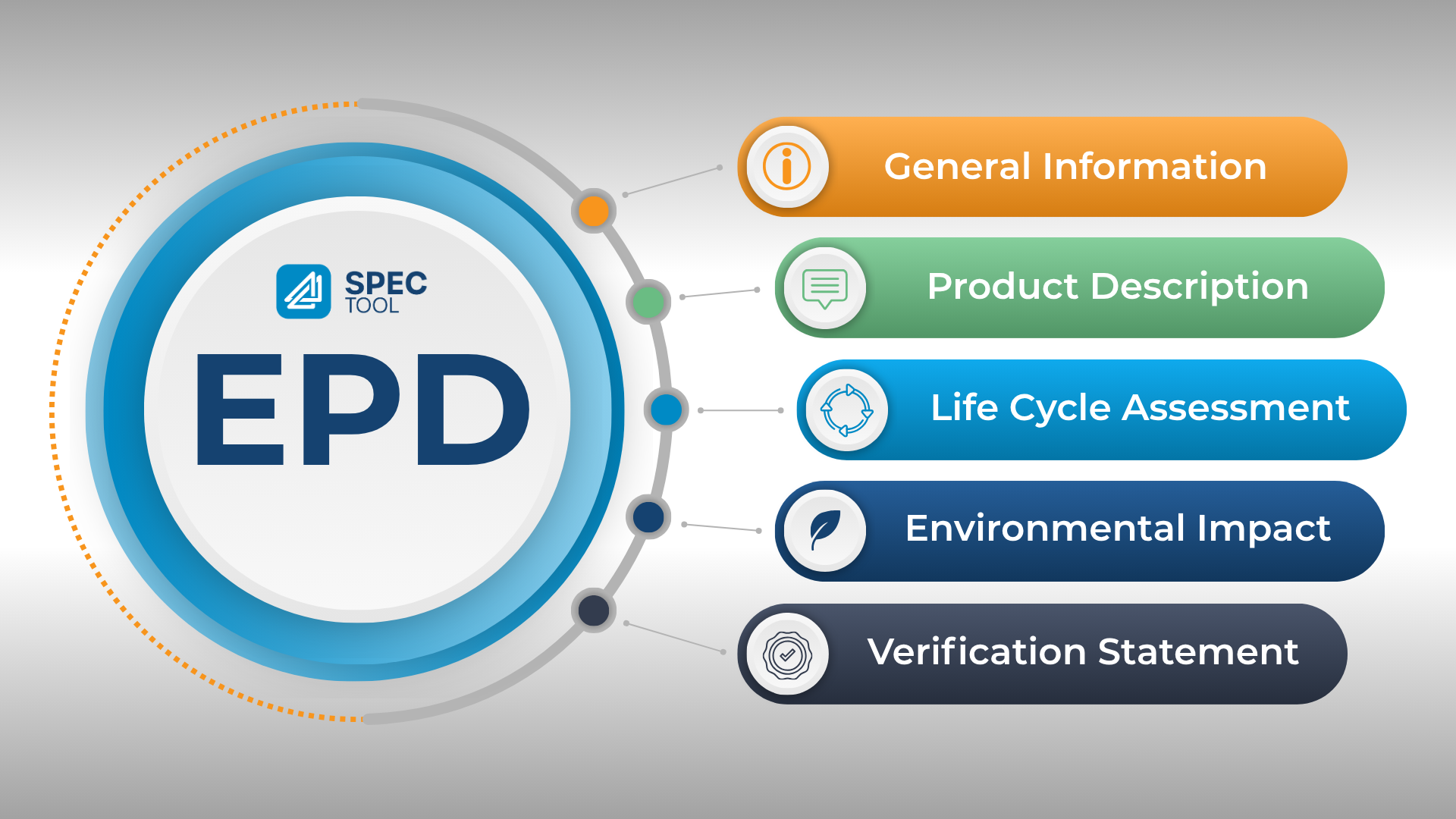
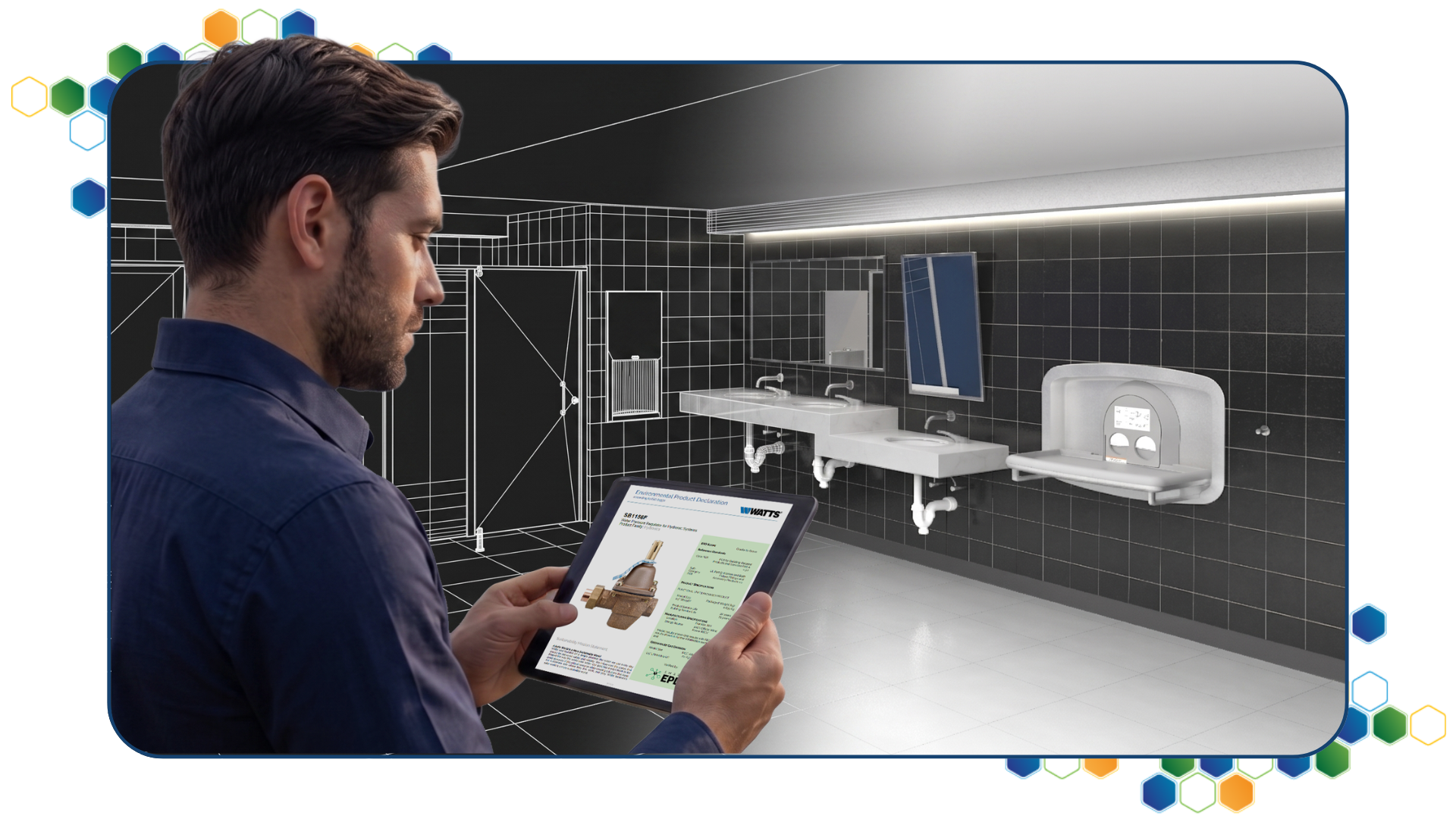
An Environmental Product Declaration (EPD) is a standardized document that reports the environmental impact of a construction product based on a Lifecycle Assessment (LCA).
Think of it as a nutrition label for building materials, providing transparency into a product’s environmental footprint from raw material extraction through manufacturing to end-of-life disposal.
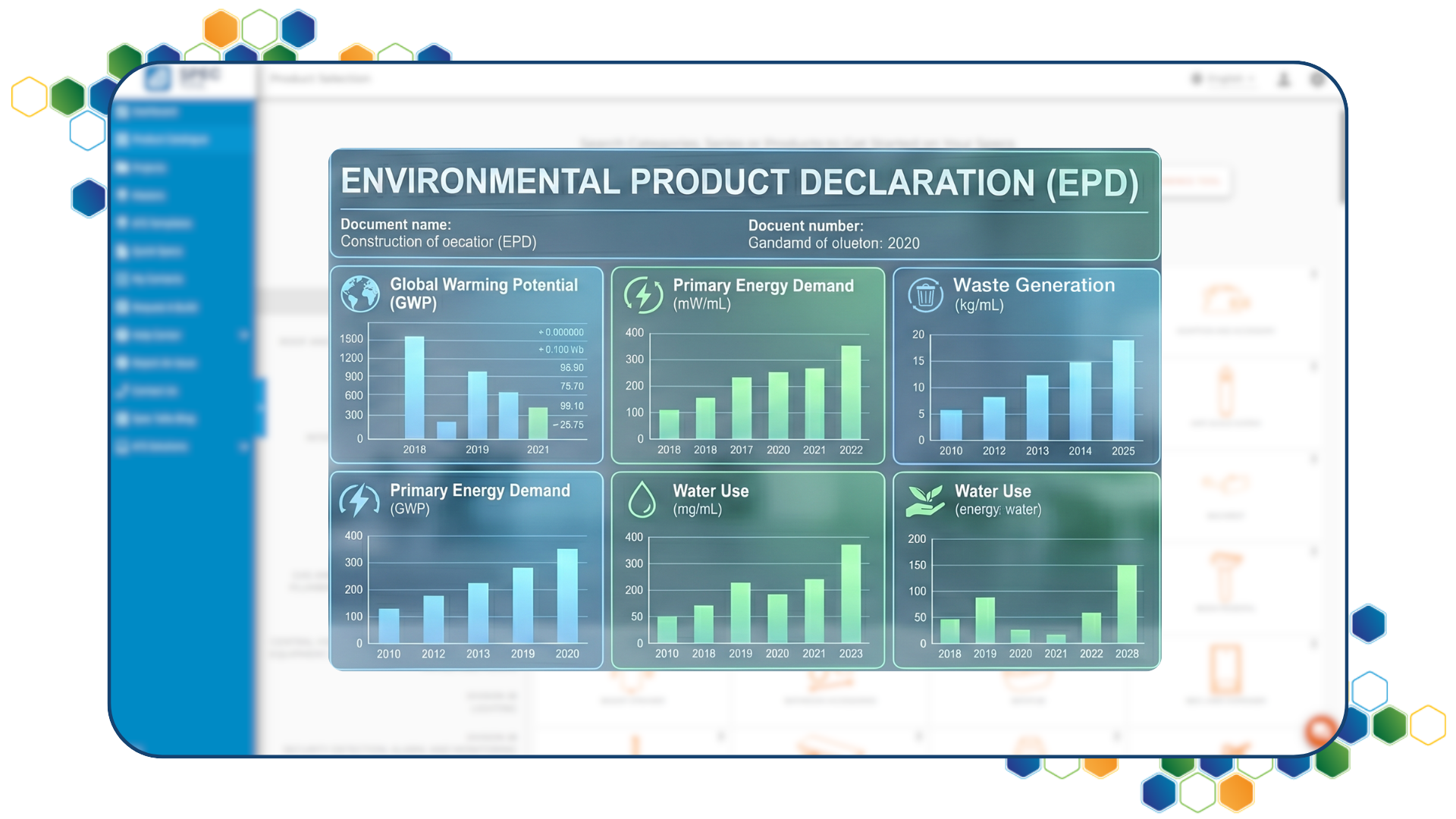
EPDs provide measurable environmental data, such as:
- Global warming potential (carbon emissions)
- Energy use during production
- Water consumption
- Waste generation
- Resource depletion
This information helps design teams make more informed, data-driven decisions during product selection and specification.
Why EPDs Matter to Engineers, Architects and Specifiers
The role of the specification engineer is evolving.
In the past, specification decisions were primarily based on:
- performance
- compliance with codes
- cost
- manufacturer reliability
Today, environmental transparency is becoming another critical factor.
EPDs allow engineers and architects to compare materials not only on performance, but also on environmental impact. For many projects pursuing certifications such as LEED or other sustainability frameworks, EPD documentation is now part of the specification process.
This shift means specifiers are increasingly expected to:
- Evaluate environmental data alongside technical specifications
• Identify manufacturers that provide EPD documentation
• Support project sustainability targets
• Demonstrate environmental accountability to the client

A Common Misconception: EPDs Do Not Automatically Mean “Sustainable”
One important point often misunderstood in the industry:
An EPD does not mean a product is environmentally superior.
An EPD simply means that the manufacturer has measured and disclosed environmental data in a standardized format.
Transparency does not equal sustainability.
Two products may both have EPDs, yet one may have a significantly higher carbon impact than the other. This is why EPDs must be interpreted in context, alongside performance data and project requirements.
For engineers, the value of an EPD is not that it labels a product as “green,” but that it provides reliable data for comparison and decision-making.

What Makes an EPD Reliable?
Not all environmental data is created equal. Credible EPDs typically meet several important criteria:
ISO-compliant lifecycle assessments
Ensuring environmental calculations follow international standards.
Product Category Rules (PCRs)
Providing a consistent methodology for comparing products within the same category.
Third-party verification
An independent review that confirms the accuracy of the environmental data.
Defined lifecycle boundaries
Such as cradle-to-gate, cradle-to-site, or cradle-to-grave environmental impacts.
For specifiers, understanding these elements helps ensure that environmental data is being interpreted correctly.
The Growing Influence of EPDs on Product Selection
As sustainability expectations increase, EPD transparency is becoming a differentiator among manufacturers.
More project teams are beginning to prioritize products that provide verified environmental data, especially when conducting building lifecycle assessments or pursuing sustainability certifications.
At the same time, many manufacturers are still in the process of developing EPDs due to the complexity and cost of lifecycle analysis, creating many challenges for specifiers.

The Future of Specification: Data-Driven Material Selection
The specification process is evolving.
Modern AEC workflows are moving toward data-driven product selection, where performance specifications, compliance requirements, and environmental data are evaluated together.
This is where digital specification platforms and structured product databases are becoming increasingly valuable.
Tools that help engineers:
- Organize product data
- Compare manufacturer documentation
- maintain up-to-date specification information
- and streamline specification writing
can significantly improve both efficiency and decision quality.
Environmental transparency, including EPDs, is becoming another layer of information that must be integrated into these workflows.
Moving Toward More Transparent Construction
The AEC industry is facing a new level of accountability regarding sustainability.
- Owners want proof.
- Regulators want transparency.
- Design teams need reliable data.
Environmental Product Declarations help bridge that gap by providing a standardized way to understand the environmental impact of building materials.
For engineers and specifiers, learning how to evaluate and incorporate EPD data into the specification process is quickly becoming part of the profession’s evolving skill set.
Because in today’s construction environment, better buildings start with better information.
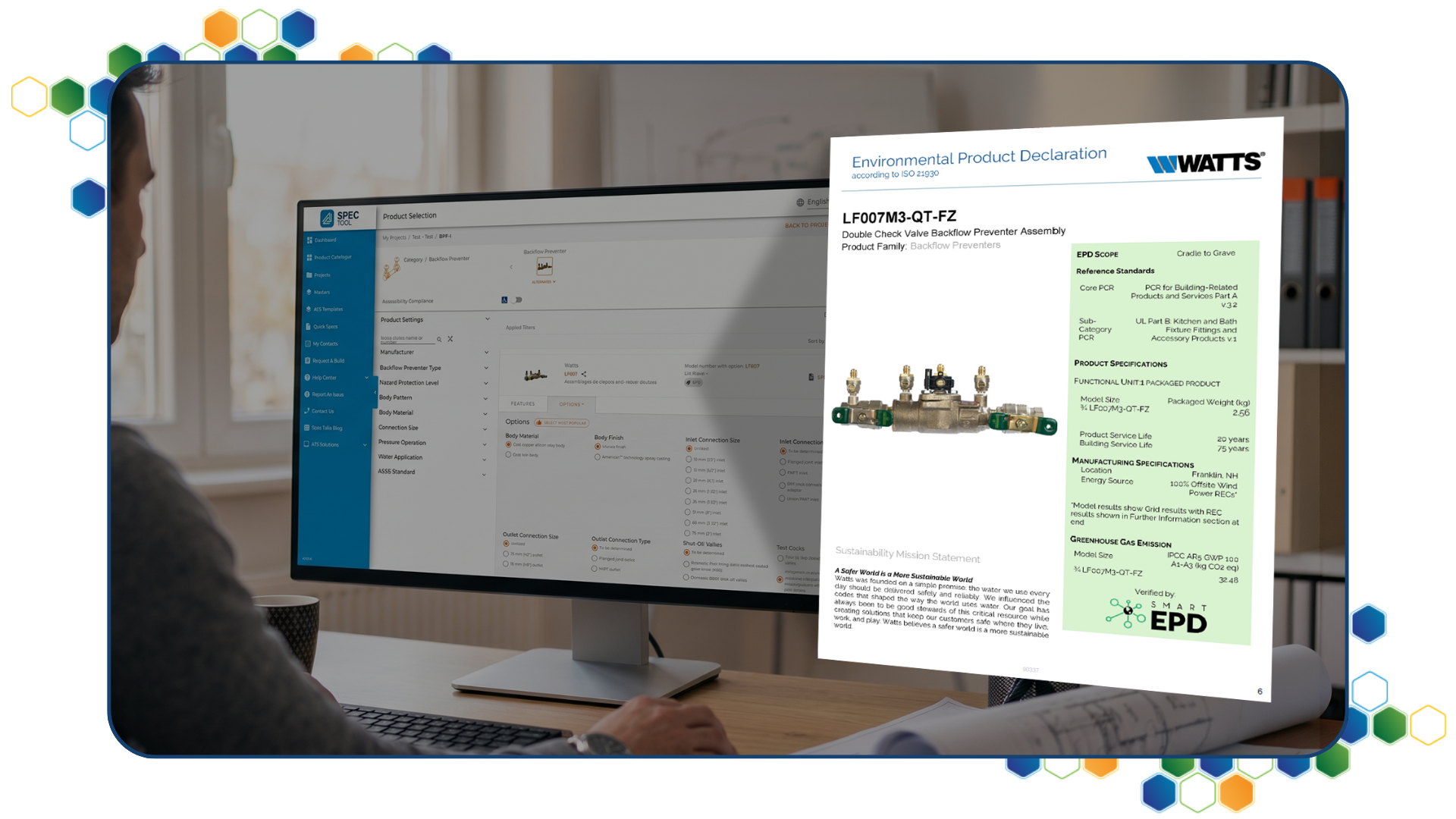
Many of the manufacturers on the ATS SpecTool have invested in EPD’s. When you are on the system, please check for the EPD flag  . This signals that a declaration form exists, and when it’s time to download your spec, you can include the declaration forms along with the manufacturer’s spec sheets.
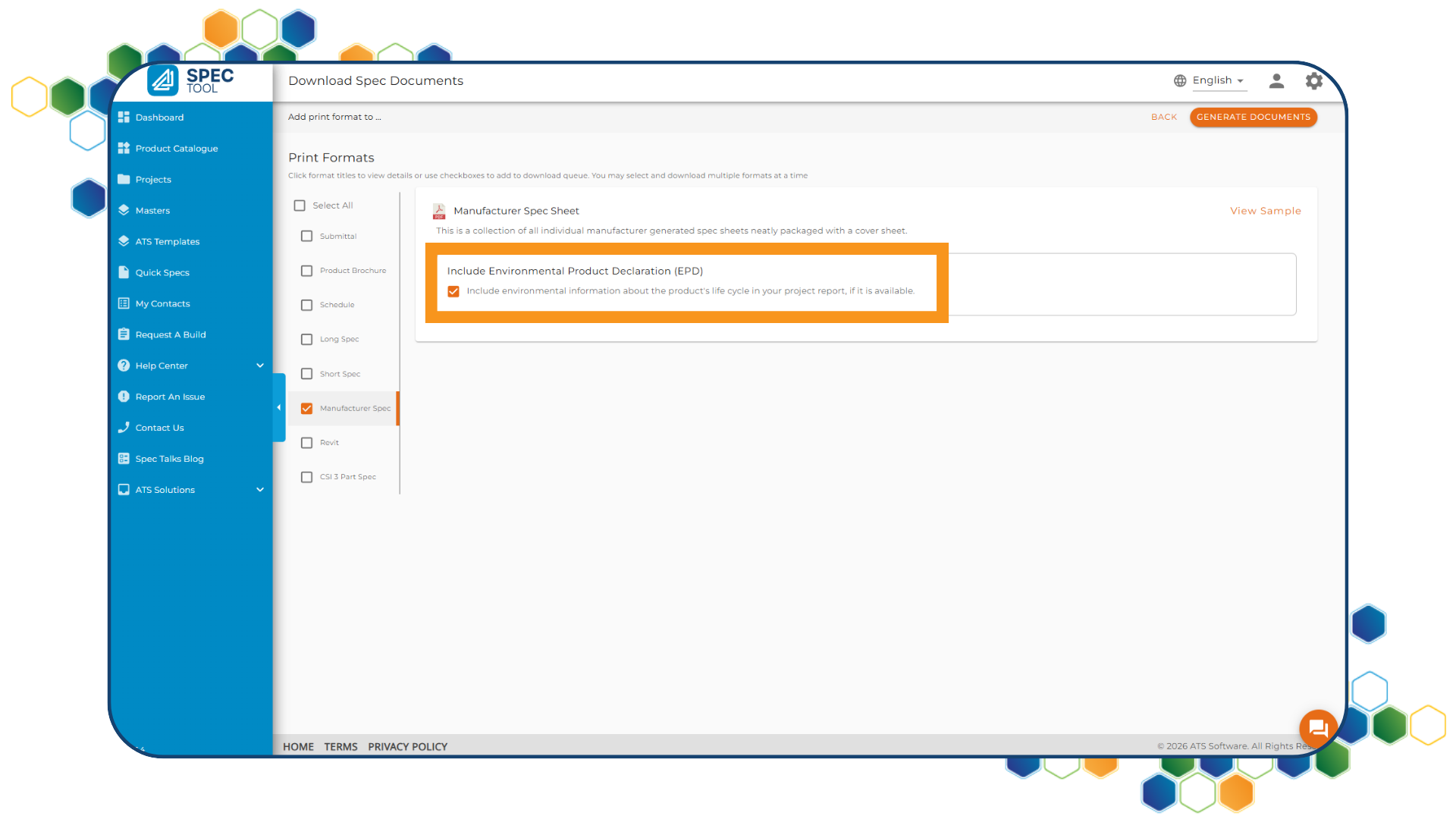
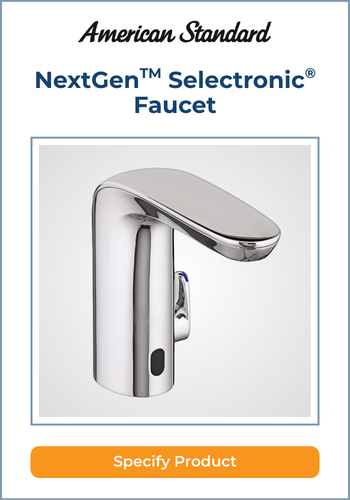
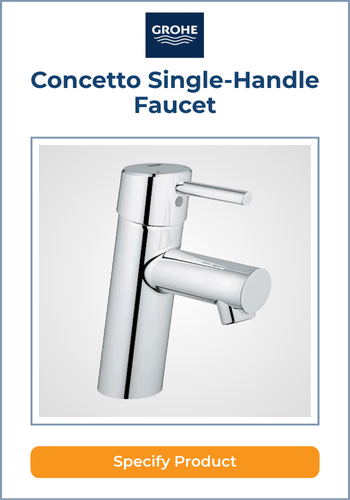
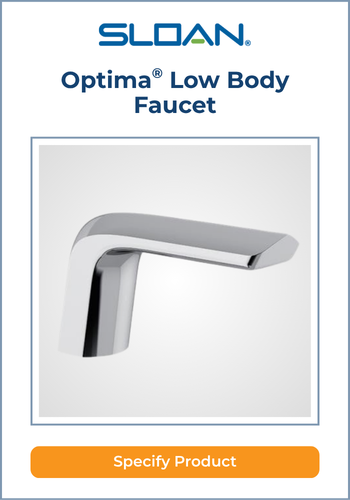
Check out some of our manufacturers’ products that have EPD’s. Click the links below to specify them on the ATS SpecTool and start specifying with reliable data for your projects


Share this article
