Spec Smarter, Build Stronger: Commercial Plumbing 101

Chapter 1: Introduction to Commercial Plumbing Systems
- Overview of how fixtures and faucets affect water delivery in commercial buildings .
- Focus on common plumbing items; specialty items are not covered in depth .
- Course objectives include commercial building definitions, plumbing layouts, fixture operation, and industry standards .
Key Takeaways:
- Plumbing systems in commercial buildings require coordinated fixture and faucet choices to meet functional goals.
- Different commercial building types have varied plumbing needs (hospitality, healthcare, education, etc.) .
- Understanding scope and goals upfront ensures better product selection.
Chapter 2: Total Cost of Ownership & Product Selection
- Durability, reliability, ease of installation, and maintenance are vital considerations in plumbing product choice .
- Evaluate repair part availability, replacement frequency, efficiency, and sustainability .
- Define “need-to-haves” vs. “nice-to-haves” for each room’s functional requirements .
Key Takeaways:
- Lifetime costs often outweigh initial purchase prices in commercial plumbing decisions.
- Maintenance ease directly influences facility management efficiency.
- Clearly defined priorities help ensure products meet intended performance.
Chapter 3: Industry Standards & Codes
- Building codes ensure safety and functionality in commercial construction .
- Codes apply to new builds, renovations, remodels, and repairs .
- Compliance is a fundamental expectation for all commercial plumbing work .
Key Takeaways:
- Codes reduce safety risks and ensure plumbing quality.
- Regulatory compliance affects design, installation, and maintenance.
- Awareness of standards streamlines product selection and installation planning.
Chapter 4: Faucets, Fixtures, and System Integration
- Faucets and fixtures function as a system and must be selected for compatibility .
- Flow rates range from 0.35 to 2.2 GPM depending on application .
- Electronic faucets can be programmed for routine flushes to maintain hygiene .
Key Takeaways:
- Poorly matched faucet-fixture combinations can compromise performance.
- Flow rate selection impacts water efficiency and user experience.
- Automated systems improve sanitary conditions and prevent stagnation.
Chapter 5: Specialized Plumbing Considerations – Toilets & Showers
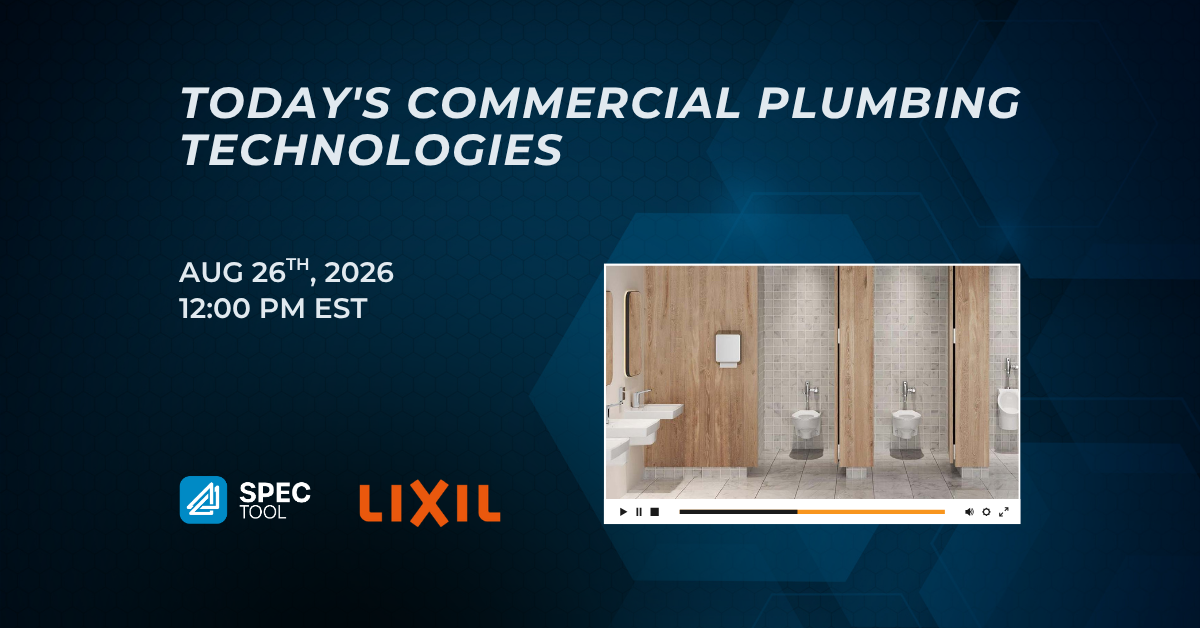
- Correct toilet and flush valve pairings reduce clog risks in commercial bathrooms .
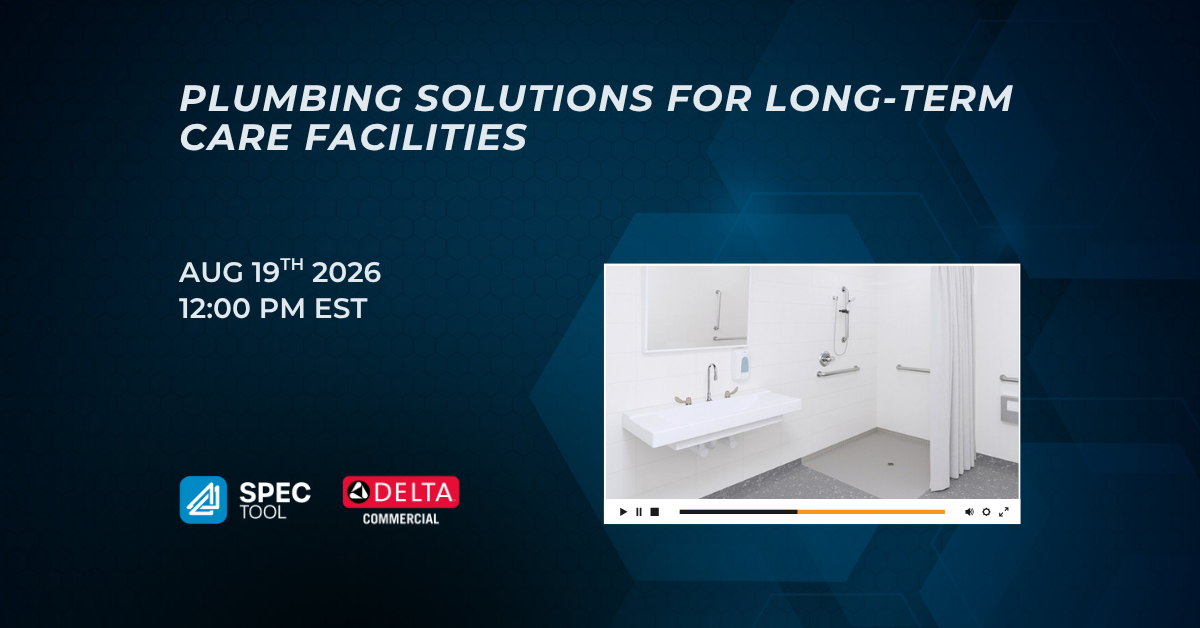
- Shower system objectives include accessibility, hygiene control, privacy, and water savings .
- Commercial showers must balance user comfort with sustainability and serviceability .
Key Takeaways:
- Proper toilet system selection eliminates the need for frequent plunging.
- Shower design directly influences hygiene and user satisfaction.
- Sustainable plumbing designs can meet performance and environmental goals simultaneously.